
Peat-free gardening: why it matters and how to start
I live in Cumbria now, a county that holds a huge share of England's peat bogs, and walking out across that landscape has made peat feel very personal. Peat is one of the most precious things we have, and the good news is that gardening without it has never been easier. By the end of this post you'll know why it matters, what to look for on a bag of compost, and how to make the switch in your own garden this season.
Why peat matters
Peat forms incredibly slowly, from plants that have been building up in waterlogged bogs over thousands of years. Those bogs lock away enormous amounts of carbon, hold water in the landscape, and are home to wildlife you'll find almost nowhere else, from sundews to bog mosses to curlews.
When peat is dug for compost, the bog is drained, that stored carbon is released, and a habitat that took millennia to form is gone in a few seasons. Gardening should leave places richer than it found them, which is why so many gardeners, nurseries and the RHS are moving away from it.
Peat-free at Form Plants
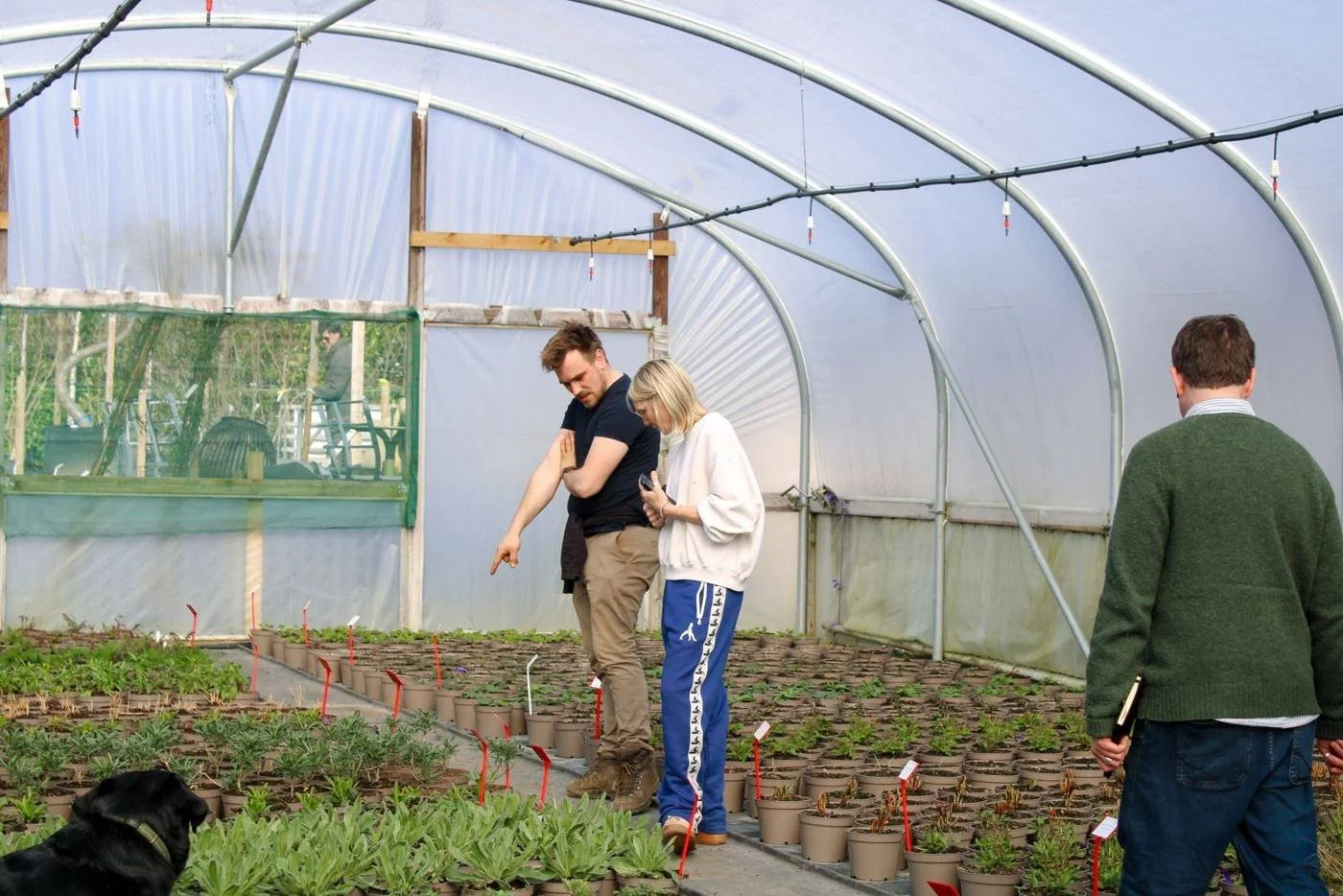
At Form Plants, the nursery I founded in Surrey, we have never used peat. Everything we pot goes into peat-free compost. This year we went a step further and fully adopted the RHS "No New Peat" standard, so we no longer buy in any plant containing new peat, whoever grew it.
That means checking every line we buy, plant by plant, at the point we quote for a scheme. It has meant saying no to some orders and finding substitutes for others, but it is the right thing to do, and the plants are every bit as good for it.
Peat took thousands of years to make. A garden should never be the reason it disappears.
Making the switch at home
Choosing a peat-free compost
Look for the words "peat-free" clearly on the bag. Phrases like "reduced peat" or "environmentally friendly" usually still mean some peat. Good peat-free mixes are made from things like wood fibre, composted bark, coir and green waste, and it's worth trying a couple of brands to find the one that suits how you garden. Buy fresh and store bags somewhere dry, as peat-free compost is at its best when it hasn't been sitting around for months.
Sowing and potting on
Peat-free compost often looks dry on top while it's still moist underneath, so check with a finger before you water rather than going by the surface. Little and often works well. Plants can use up the nutrients a little sooner, so start feeding containers a few weeks earlier than you might have done before, and you'll see strong, healthy growth.
Buying plants
Ask the nursery or garden centre whether their plants are grown peat-free. More and more growers are, and the RHS has a peat-free nursery finder to help you track them down. Bare-root plants, and trees and shrubs lifted from the field in their own soil, are a lovely peat-free option in winter.
Peat-free checklist
Check the bag says "peat-free", not "reduced peat".
Water by feel, not by how the surface looks.
Start feeding pots a little earlier in the season.
Ask your nursery how their plants are grown, and choose bare root in winter.
Quick answers
Is peat-free compost as good as peat?
Yes. Peat-free composts have come on enormously, and professional growers now raise everything from seedlings to large trees in them. It behaves a little differently, so it rewards a bit of attention while you get to know it.
Do I need to water peat-free compost differently?
A little. It can dry on the surface while staying damp below, so check a couple of centimetres down before watering, and give smaller, more regular drinks rather than flooding it.
