
The climate-resilient trees I'm planting now
Hotter, drier summers are changing which trees I recommend. My favourites at the moment are Zelkova serrata, Heptacodium miconioides and Parrotia persica. All three cope well with heat and dry spells once established, and all three are beautiful in more than one season.
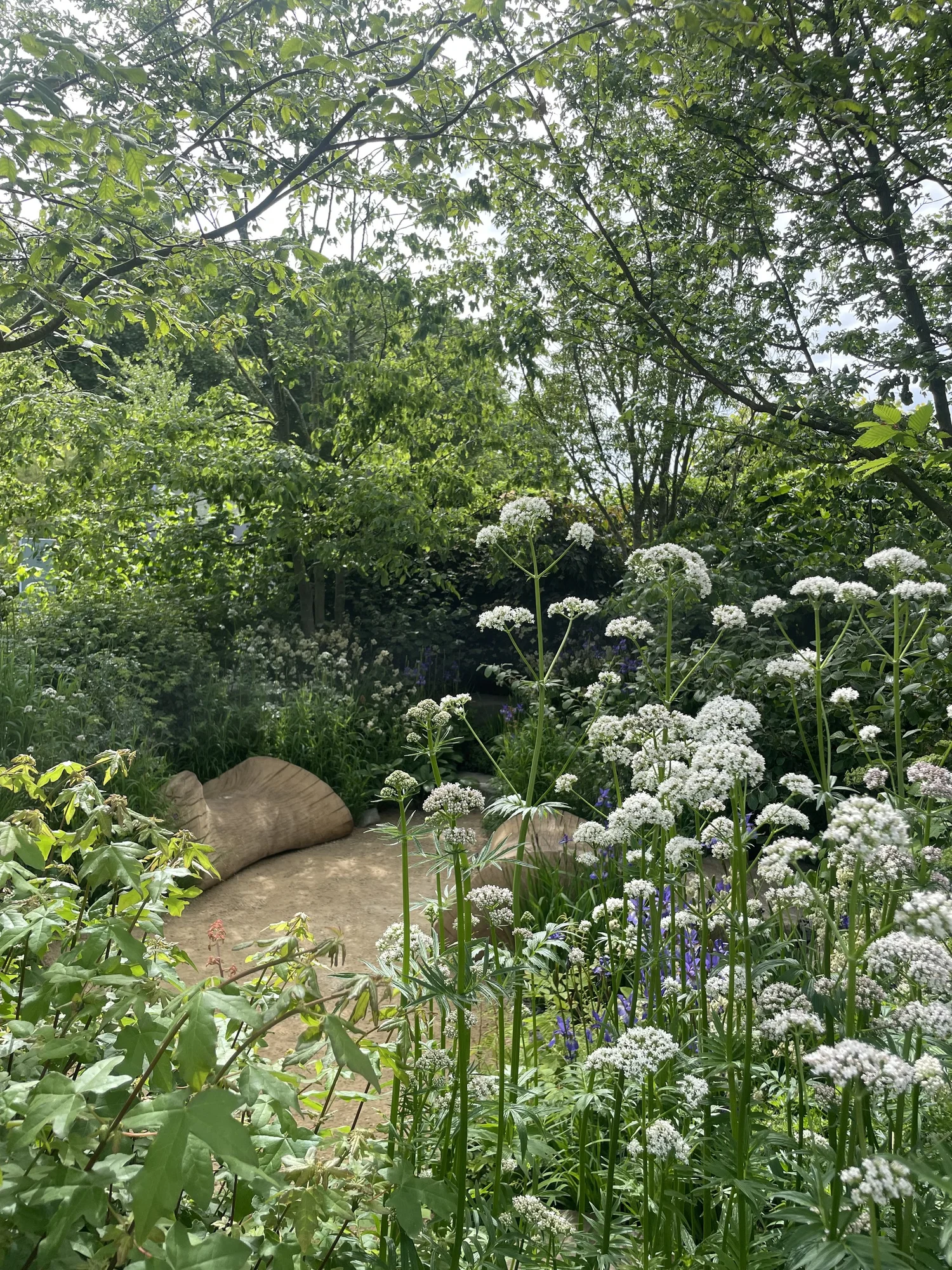
Why climate resilience matters when choosing a tree
A tree is a long-term decision. The one you plant this winter needs to cope with the summers we'll have in twenty or thirty years, not just the ones we've had. After seeing how much silver birch has struggled in the south, I'm looking for trees that come from places with warm summers, have deeper or more forgiving root systems, and still give a garden real character.
Zelkova serrata, Japanese zelkova
Zelkova is a tough, elegant tree from Japan, Korea and China, related to the elms. It has a lovely upright, vase-shaped habit, fine serrated leaves and smooth grey bark that flakes with age to show orange patches. In autumn the leaves turn shades of yellow, orange and russet.
It copes with heat, drought once established and urban conditions, which is why it's so widely used as a street tree. It makes a large tree in time, so it's best for bigger gardens, but its upright shape means it doesn't cast heavy shade over a wide area.
Heptacodium miconioides, seven son flower
This is one of the best plants for late summer. A large shrub or small multi-stemmed tree from China, it covers itself in clusters of small, scented white flowers from late summer into early autumn, just when much of the garden is fading. Bees and butterflies love it. After the flowers fall, the calyces turn a deep pinkish red, so it seems to flower twice.
It has pale, peeling bark that looks wonderful in winter, and it copes well with heat and dry summers. It usually reaches four to six metres, so it suits smaller gardens where a full-size tree would be too much.
Parrotia persica, Persian ironwood
Parrotia comes from northern Iran and the Caucasus, and it is one of the finest trees for autumn colour, with leaves that turn gold, orange, crimson and purple, often all at once. In late winter it has small red flowers on bare branches, and older trees develop beautiful flaking bark in shades of grey, cream and green.
It is slow to medium in growth with a wide, spreading habit, and copes well with dry spells once established. It colours best in sun and on soil that isn't too alkaline, but it's adaptable. Give it room to spread, either as a single-stem tree or a multi-stem.
Planting a tree for a changing climate
Plant between November and March, ideally bare-root or rootballed.
Choose a smaller tree. It will establish faster and catch up with larger ones.
Dig a wide, shallow hole and keep the root flare at soil level.
Water deeply once a week in dry spells for the first two or three summers.
Mulch a wide circle with compost or bark, kept clear of the trunk.
How to look after them
The first few summers are what matters most. Even the toughest trees need help until their roots have spread. A deep soak once a week in dry weather is far better than a little water often, because it encourages roots to go down rather than stay near the surface. My guide to planting bare-root trees and hedging covers planting step by step. Form Plants grows and supplies trees for gardens, and if you'd like help choosing the right tree for your garden, I offer planting consultations.
Quick answers
What is the most drought-tolerant tree for a UK garden?
Once established, trees such as Zelkova serrata, Heptacodium miconioides and Parrotia persica all cope well with dry summers. Every newly planted tree still needs watering for its first few years.
What is a good small tree for late summer flowers?
Heptacodium miconioides flowers from late summer into autumn, followed by red calyces, and stays at around four to six metres.
Which tree has the best autumn colour?
Parrotia persica is hard to beat, turning gold, orange, crimson and purple, often on the same tree.
