
Notes from the Eden Valley garden: the first autumn
This summer I moved to the Eden Valley in Cumbria, and for the first time in my life I have a garden of my very own. I've designed and planted gardens for other people for years, from the RHS Chelsea Flower Show to private estates, so you might expect me to have dug the whole thing up by now. I haven't, and that's entirely on purpose.
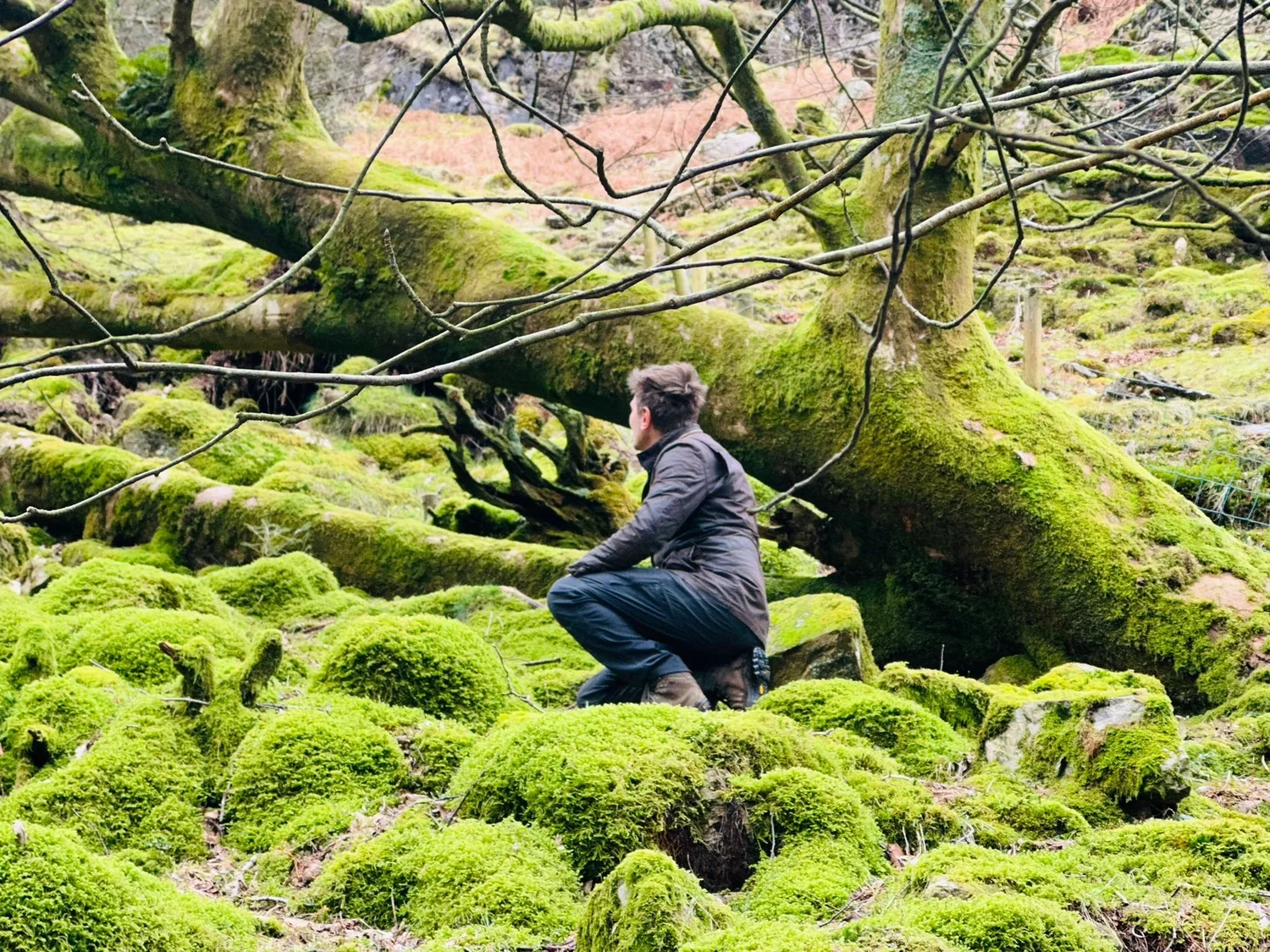
Why I'm taking it slowly
The best advice I can give anyone with a new garden is to watch, wait and get to know it for a full year before making big changes. A garden in July is a completely different place from the same garden in January. Where the sun falls, where the frost lingers, which corners stay wet, what's hiding under the soil: you only really learn these things by living with a space through every season.
So this first year is all about understanding the garden. I've cleared a lot of the overgrown areas so I can actually see what I'm working with, measured the whole space, and worked out which way each part of it faces. It's not glamorous work, but every decision I make later will be better for it.
The first autumn
Autumn is a brilliant season to start getting to know a garden. As the sun drops lower, you see exactly which parts of the garden will be in shade through winter, and which still catch the light. The first frosts show you where cold air settles. Heavy rain shows you where water sits. It's all worth noting down, because it shapes every planting decision that follows.
A garden will tell you what it wants to be, if you give it time.
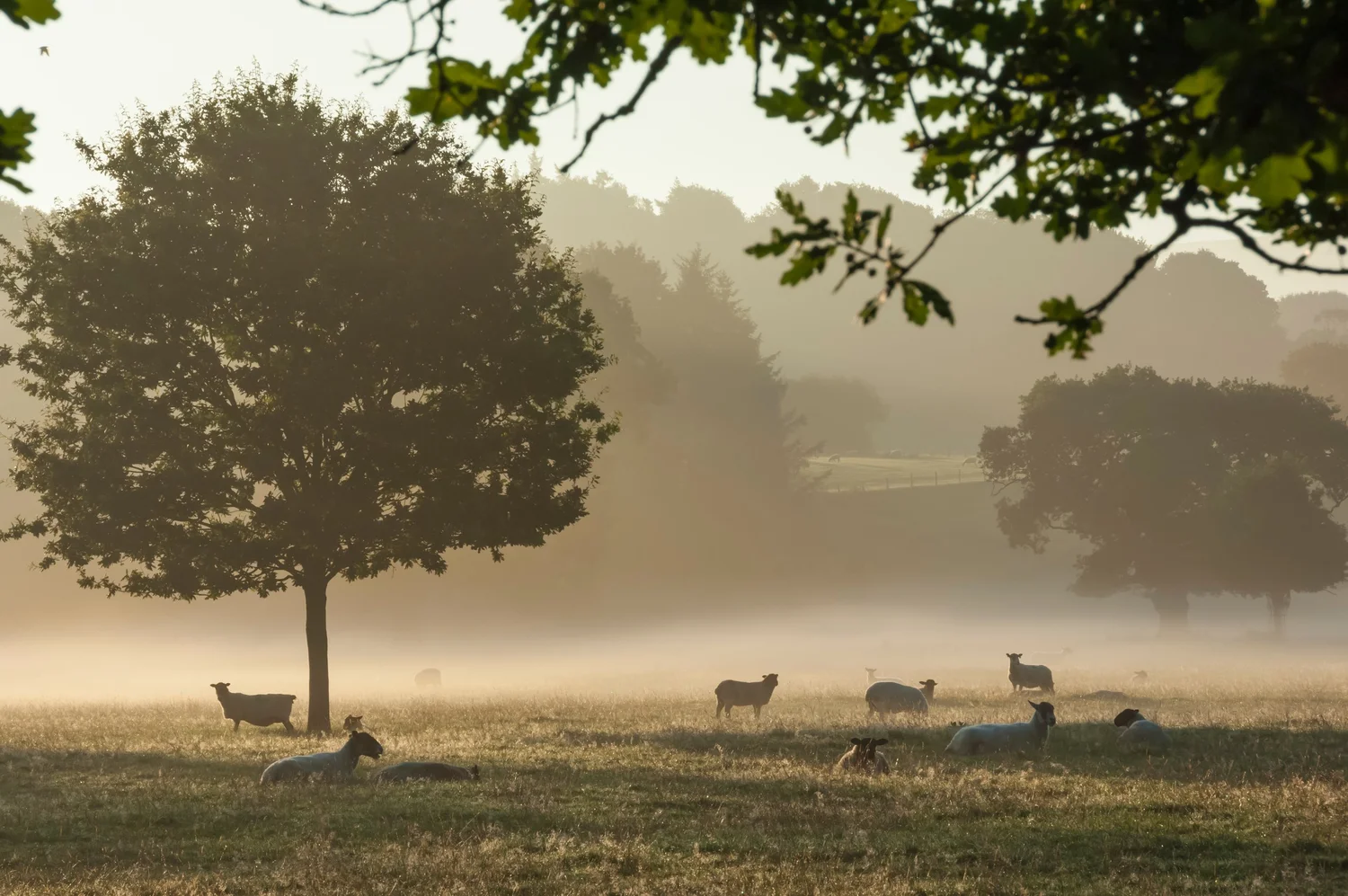
How to get to know your own garden
If you've just moved, or you're looking at a tired garden and wondering where to start, here's what I'd suggest for your first year.
Take a photo from the same spot every month
Pick two or three viewpoints, perhaps from the back door, an upstairs window and the end of the garden, and photograph them once a month. By next autumn you'll have a record of how light, colour and shade change through the year.
Find your aspect
Use a compass, or the compass on your phone, to work out which way your garden faces. A south-facing garden gets sun most of the day, north-facing borders spend much of the year in shade, and east and west get morning or evening light. Knowing this narrows down the plants that will be happy with you.
Get to know your soil
Pick up a handful of soil and squeeze it. Clay holds together like plasticine, sandy soil falls apart, and loam sits happily in between. A simple pH test kit tells you whether it's acid or alkaline. Both shape what will grow well.
Enjoy what's already there
Before you take anything out, wait to see what comes up. Bulbs, perennials and shrubs you hadn't noticed often appear in spring, and some of them might be treasures.
Your first-year checklist
Photograph the garden from the same spots every month.
Work out which way each part of the garden faces.
Note where frost, wet ground and shade linger.
Test your soil type and pH.
Wait a full year before removing established plants.
Use pots and annuals for colour while you plan.
Follow along
I'm sharing the whole journey on my YouTube channel, Gardening with Jamie, starting with where to begin in a new garden, then measuring up and finding your aspect. Watch the films here, and I'll keep posting notes from the garden here in the Journal as it takes shape.
Quick answers
What should I do first in a new garden?
Watch it for a year. Note where the sun falls through the seasons, where it's wet or frosty, and what comes up in spring, before making big changes. In the meantime, clear weeds and overgrowth so you can see the space properly.
How do I find out which way my garden faces?
Stand with your back to the house and use a compass or the compass on your phone. The direction you're facing is your garden's aspect.
