
What to do in the garden in January
January is the month to plan the year ahead, order seeds, finish winter pruning of wisteria, apples and pears, and keep planting bare-root plants on mild days. It is also a lovely time to enjoy winter flowers such as snowdrops, hellebores and scented shrubs. Here are the jobs that will set you up for a brilliant season.
Plan the year ahead
A cup of tea, a notebook and the photographs you took last year are all you need. Think about which plants really earned their place, which combinations made you smile, and where the gaps were. Was there a quiet moment in late summer? A border that needed more height, or more winter structure? Write it down while it is fresh in your mind.
Planning by plant combinations, rather than individual plants, is the simplest way to get a border that feels joined up. My post on planting a border that looks good all year is a good place to start. If you would like a hand pulling a scheme together, I also offer planting design and consultations.
Order seeds and plants
Seed catalogues are full of temptation, so start with your plan and order early for the best choice. Sweet peas, cosmos, cornflowers, nigella and ammi are easy, generous annuals for cutting and filling gaps. Order seed potatoes now too, ready to chit from late January into February. Stand them in egg boxes, eyes facing upwards, in a cool, light, frost-free place, and they will produce short, sturdy shoots ready for planting in spring.
Finish winter pruning
Wisteria
Wisteria gets a second prune now. Cut back the side shoots you shortened in summer to two or three buds from the main framework. These fat buds are the ones that become flowers, so this simple job makes a real difference to the display in late spring.
Apples and pears
Carry on pruning free-standing apple and pear trees while they are dormant. Remove dead, damaged and crossing branches first, then thin congested growth to keep the centre open to light and air. Take it steadily, and leave plums and cherries until summer.
Tidy hellebores and enjoy winter flowers
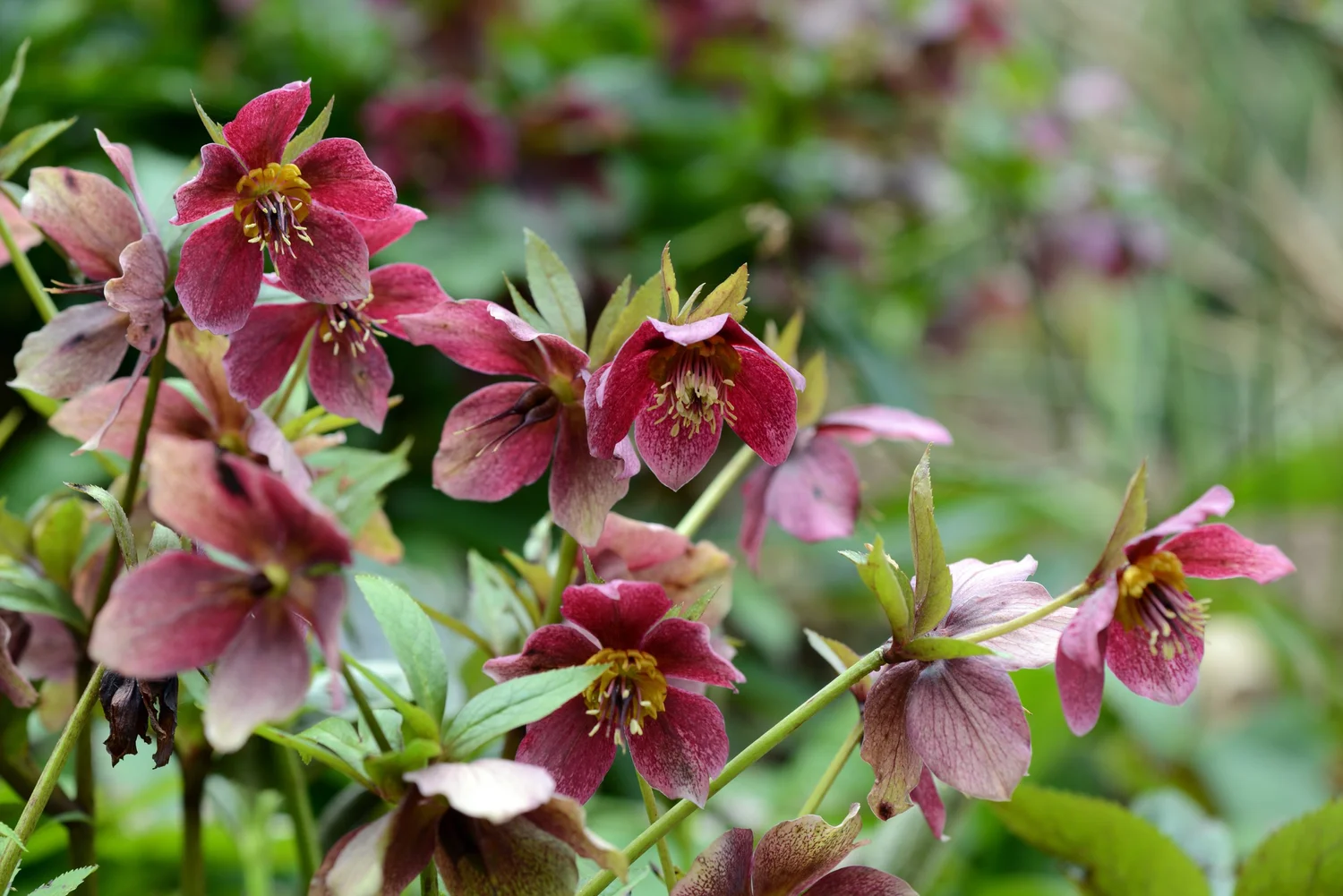
Cut the old, tatty leaves off hybrid hellebores (Helleborus × hybridus) at the base as the flower buds appear. It shows off the flowers beautifully and helps keep leaf spot at bay. Snowdrops, winter aconites, early crocus and scented shrubs such as sarcococca, witch hazel and winter honeysuckle are all worth a slow walk round the garden on a bright day.
Keep planting bare-root
Bare-root trees, shrubs, hedging and roses can still go in whenever the ground is not frozen or waterlogged. Soak the roots before planting, plant at the depth they grew in the nursery, firm in and water. It is a lovely, purposeful job for a crisp, dry January day.
First sowings
If you did not sow sweet peas in autumn, you can sow them now in deep pots or root trainers in a cold frame, cool greenhouse or bright, unheated porch. Chillies and peppers need a long season, so they can be started now on a warm windowsill or in a heated propagator. Use a good peat-free seed compost, and give seedlings as much light as possible.
January checklist
Plan your borders and make a list of plants and seeds.
Order seeds and seed potatoes, and start chitting potatoes from late January.
Prune wisteria side shoots back to two or three buds.
Finish pruning apple and pear trees.
Cut old leaves from hybrid hellebores.
Plant bare-root trees, shrubs and roses on mild days.
Sow sweet peas, chillies and peppers under cover.
Feed the birds and keep water ice-free.
Keep off frozen or waterlogged lawns.
Look after wildlife and the lawn
Birds appreciate a steady supply of food and fresh water through the coldest weeks. Late January is also when the RSPB runs its Big Garden Birdwatch, a lovely excuse to spend an hour watching who visits your garden. Leave seedheads and log piles undisturbed, as plenty of insects are still tucked inside.
Try to keep off the lawn when it is frozen or very wet, as footprints can damage the grass and compact the soil. If you need to cross it regularly, lay down a plank or a few stepping stones.
Looking back, my December garden jobs cover winter protection in more detail, and next month my February garden jobs look at cutting back and getting borders ready for spring.
Quick answers
When should I prune wisteria?
Twice a year. In summer, cut the long whippy shoots back to about five or six leaves, then in January or February shorten those same shoots to two or three buds.
What can I sow in January?
Sweet peas under cover, plus chillies and peppers in a heated propagator or on a warm windowsill. Most other seeds are best left until February or March.
When should I chit potatoes?
From late January into February. Stand seed potatoes in egg boxes in a cool, light, frost-free place until they have short, sturdy shoots, then plant them out in spring.
