
What to do in the garden in July
July is high summer, and the garden's job list is mostly about keeping things looking good. Water pots and new plants, deadhead little and often, summer prune wisteria, cut back perennials that have finished their first flush, and get the garden ready before you go on holiday. It is also one of the best months simply to sit out and enjoy what you have grown.
Keep containers going
Pots and hanging baskets work hard in July and dry out quickly, sometimes twice a day in a heatwave. Check them every day, and when you water, keep going until it runs out of the bottom. Grouping pots together in light shade during the hottest spells helps them hold on to moisture, and standing them on saucers for a week or two can make a real difference. A liquid feed every week or so keeps bedding, tomatoes and summer bulbs flowering and fruiting.
Deadhead, deadhead, deadhead
A daily wander with a pair of snips is one of the nicest jobs of the summer. Removing spent flowers from dahlias, cosmos, roses, salvias and sweet peas keeps new buds coming right through to autumn. With dahlias, follow the stem down to the next set of leaves and cut just above them, so you do not leave bare stalks sticking up through the plant. Fat, rounded buds are new flowers, while pointed ones are usually spent heads, which is a handy way to tell them apart.
Summer prune wisteria
Wisteria is pruned twice a year, and the first of those cuts happens now, in July or August once flowering has finished. Shorten the long, whippy green shoots of this year's growth to about five or six leaves from the main framework. This keeps the plant under control, lets light and air reach the stems, and encourages the short spurs that carry next year's flowers. You will finish the job in winter by cutting those same shoots back further to two or three buds.
Cut back and refresh perennials
Perennials that flowered in early summer and now look tired can be refreshed. Cut catmint, hardy geraniums and Alchemilla mollis back hard and water well, and they will produce a flush of fresh leaves and often more flowers. With lady's mantle, cutting back before it sets seed also saves you weeding out hundreds of seedlings later on.
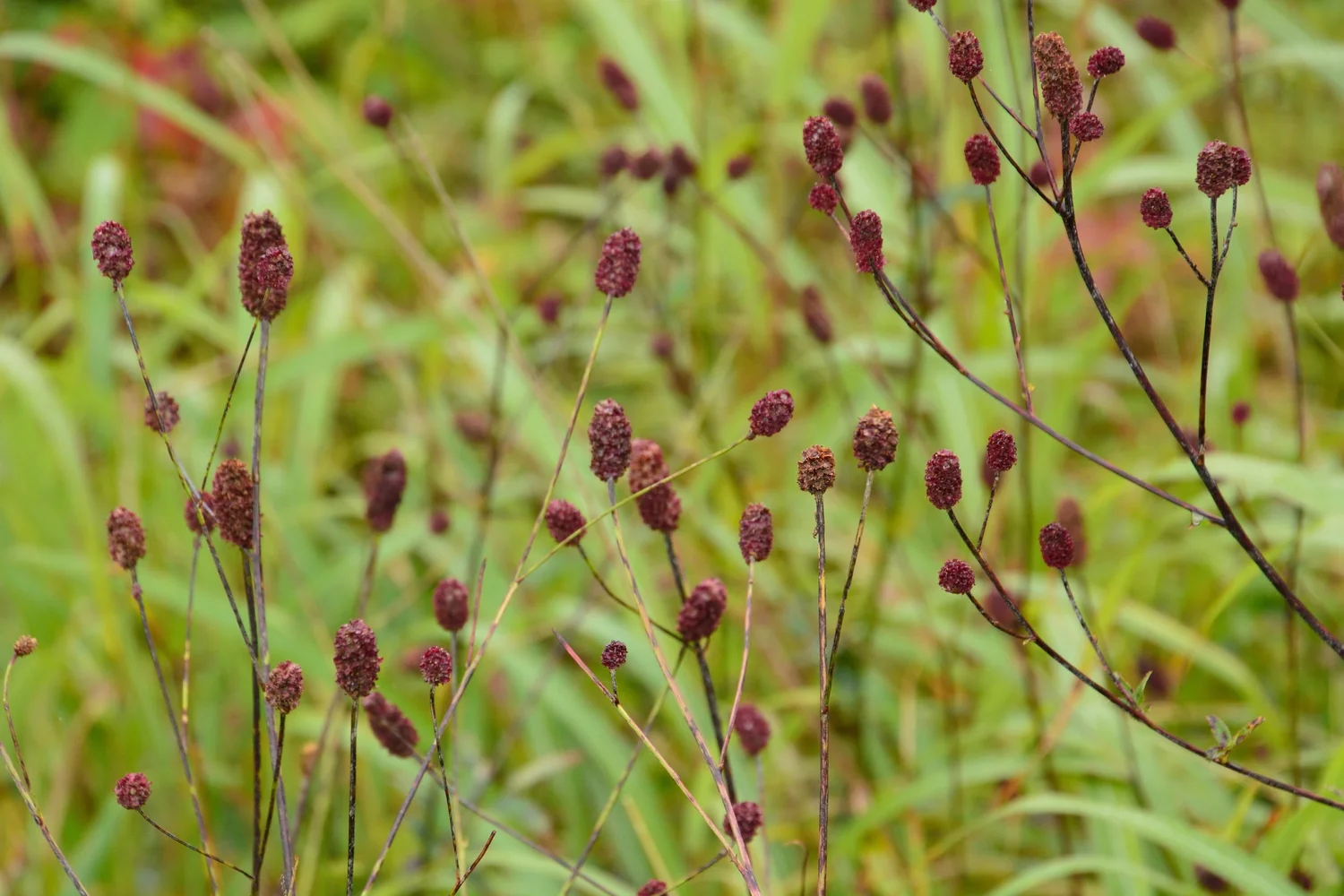
Meanwhile, the later perennials are starting their show. This is when my favourite sanguisorbas come into their own. Sanguisorba 'Tanna' makes a neat, compact mound of small, dark red bobbles, while Sanguisorba 'Blackthorn' and 'Cangshan Cranberry' weave taller stems of deep crimson through grasses and later daisies. If you have never grown them, my plant of the month post on sanguisorba explains why I love them so much.
Get ready for your holidays
A little preparation means you come home to a garden that has carried on rather than one that has struggled. Give everything a thorough soak the day before you leave, move pots into a shady spot and stand them on trays of damp sand or gravel, and pick anything that is ready, including courgettes, beans and sweet peas, so the plants keep producing. If a neighbour can help, ask them to pick as well as water. Cut the lawn just before you go, but not too short.
July checklist
Water pots daily in hot weather and feed weekly.
Deadhead dahlias, roses, cosmos and sweet peas regularly.
Summer prune wisteria once it has finished flowering.
Cut back catmint, geraniums and alchemilla for fresh growth.
Take semi-ripe cuttings of shrubs and herbs.
Check hedges for nesting birds before trimming.
Harvest crops little and often so plants keep producing.
Prepare the garden before going away.
Take semi-ripe cuttings
From mid-summer into early autumn, the current year's shoots become firmer at the base while staying soft at the tip. These semi-ripe cuttings root well and are a lovely free way to increase shrubs such as lavender, rosemary, Hebe, Cistus and box alternatives like Ilex crenata. Take cuttings about 10 to 15cm long, remove the lower leaves, and insert them around the edge of a pot of gritty, peat-free compost. Keep them somewhere bright and sheltered and they should root over the coming weeks.
Hedges and wildlife
Many birds are still nesting in July, and some species raise more than one brood. Disturbing an active nest is against the law, so before trimming a hedge, watch it for a few minutes for birds flying in and out. Where you can, leave the main hedge cut until late summer. Leave a dish of water out in dry spells and you will be rewarded with all kinds of visitors.
In the vegetable garden
Harvest courgettes when they are small and tender, and pick beans regularly so the plants keep flowering. Feed tomatoes every week with a high-potash feed and keep the watering consistent, as irregular watering can lead to split fruit and blossom end rot. Sow quick crops such as salad leaves, radish, spring onions and dwarf French beans into any gaps.
For what comes before and after, see the June jobs and the August jobs.
Quick answers
When do you prune wisteria in summer?
In July or August, after flowering. Cut the long green shoots of this year's growth back to five or six leaves, then shorten them again to two or three buds in winter.
Is it OK to cut hedges in July?
It is fine as long as no birds are nesting in them. Check carefully first, and if in doubt wait until the end of August, when most nesting has finished.
Why should I deadhead flowers?
Removing faded flowers stops a plant putting its energy into making seed, so it produces more flowers instead. It also keeps borders and pots looking fresh.
