
What to do in the garden in September
September is one of the most rewarding months in the garden. The soil is still warm, rain becomes more reliable, and it marks the start of the planting season. The key jobs are ordering and planting spring bulbs, planting new perennials and shrubs, renovating the lawn, taking cuttings of tender plants and collecting seed, all while enjoying a border that is often at its fullest.
Order your spring bulbs
If you have not ordered spring bulbs yet, now is the time, while there is still plenty of choice. Before you order, think about where you want colour next spring: gaps in borders, pots by the door, or drifts in grass. Buy a few more than you think you need, as bulbs always look better in generous groups.
These are my favourites, and they are on my list every year:
Narcissus 'Pheasant's Eye' (N. poeticus var. recurvus): a late, beautifully scented daffodil with swept-back white petals and a tiny, red-rimmed eye. It flowers in May, after most daffodils have finished, and looks wonderful naturalised in longer grass.
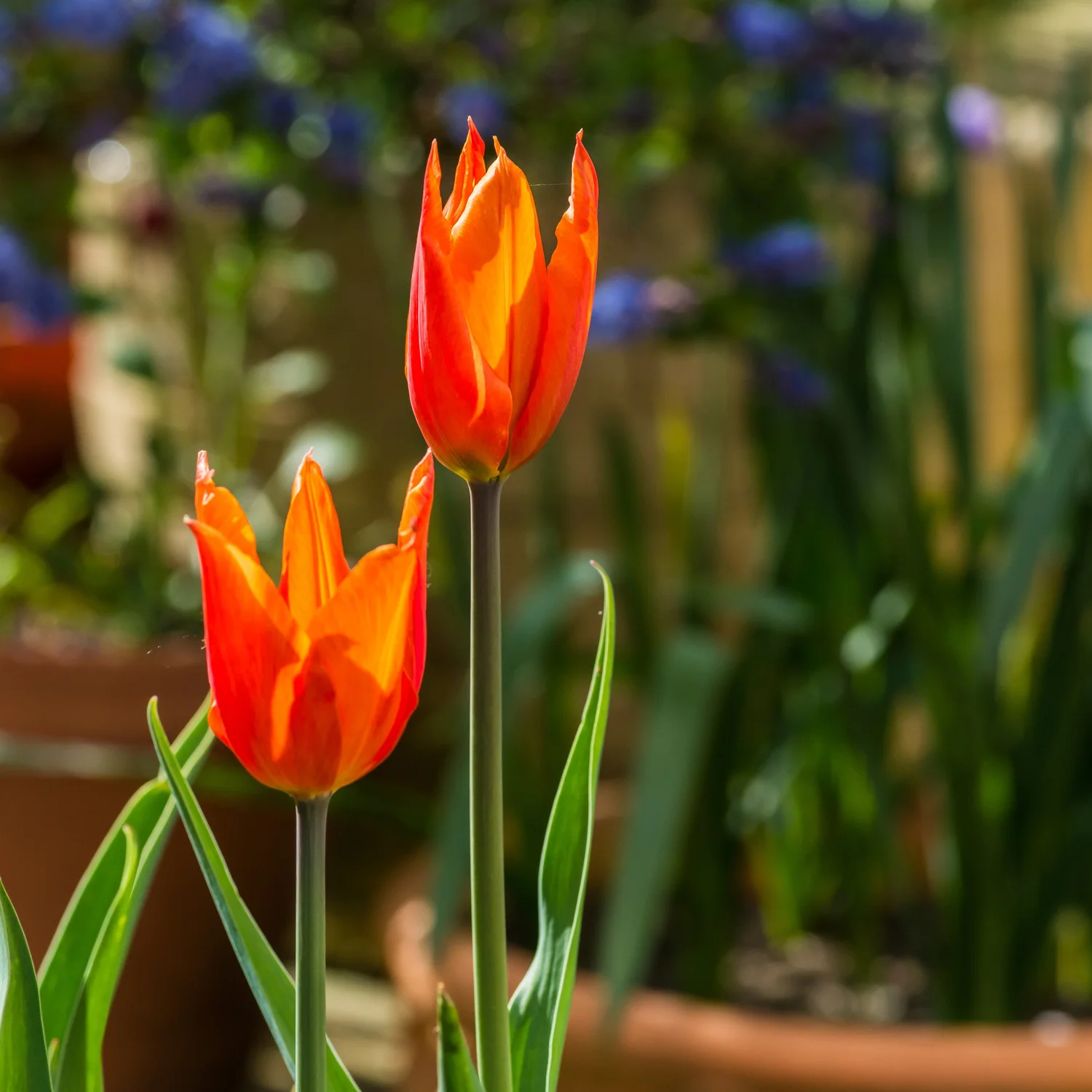
Tulipa 'Ballerina': a lily-flowered tulip in glowing orange with a lovely sweet scent. It is elegant in pots and lights up a border.
Tulipa 'Spring Green': a viridiflora tulip with ivory-white petals feathered in fresh green. It is calm, classy and mixes with almost anything.
Tulipa 'Queen of Night': a late single tulip in the deepest velvety maroon. It is brilliant for adding depth, and a classic partner for paler tulips.
Allium 'Mont Blanc': big, pure white globes on tall, strong stems in early summer. It bridges the gap between spring bulbs and summer perennials beautifully.
Plant bulbs at the right time
Most spring bulbs can go in now. Daffodils, including 'Pheasant's Eye', like to be planted early, in September or early October, so they have time to make roots before winter. Alliums, crocuses, snowdrops (bought as dry bulbs), camassias and muscari can all be planted this month and next.
Tulips are the exception. Keep them in a cool, dry, airy place until October or November, as planting them once the weather has cooled helps reduce the risk of the fungal disease tulip fire. As a rule of thumb, plant bulbs at two to three times their own height deep, pointed end up. In pots, use a free-draining, peat-free compost with some added grit. For more on what to do next month, including planting tulips, see the October jobs.
Plant perennials, shrubs and trees
From now until the ground gets cold is a brilliant window for planting. Warm soil and autumn rain mean roots establish quickly, so new plants are ready to grow away strongly next spring and need far less watering through their first summer. Soak plants in their pots before planting, dig a hole a little wider than the rootball, and firm them in well. If you are thinking about a new border, my post on planting a border that looks good all year covers how to build in interest across the seasons. At Form Plants we grow perennials, shrubs and grasses peat-free, and autumn is a lovely time to plant them.
Give the lawn some attention
September is the best month for lawn care. With cooler, damper weather on the way, grass recovers quickly from a little work. Rake out thatch and moss with a spring-tine rake or scarifier, spike compacted areas with a garden fork to let air and water in, then sow fresh grass seed over thin or bare patches. Water the seed if the weather stays dry.
September checklist
Order spring bulbs while there is plenty of choice.
Plant daffodils, alliums and crocuses, but hold tulips back until later.
Plant new perennials, shrubs and trees while the soil is warm.
Scarify, aerate and overseed the lawn.
Take cuttings of tender perennials such as salvias and penstemons.
Collect seed on dry days and store it somewhere cool and dry.
Sow hardy annuals for early flowers next year.
Net ponds before leaves start to fall.
Take cuttings and collect seed
Tender and borderline-hardy perennials such as salvias, penstemons, osteospermums and pelargoniums root easily from cuttings taken now. Overwintered on a cool, bright windowsill or in a frost-free greenhouse, they give you a set of insurance plants in case the parent plant does not make it through a cold, wet winter. Keep collecting seed on dry days, too, and leave some seedheads standing for birds.
Sow hardy annuals
Sowing hardy annuals now gives you bigger, sturdier plants that flower earlier next year. Cornflowers, nigella, calendula, ammi and orlaya can be sown in modules or direct where they are to flower. In colder or wetter gardens, sowing in modules and keeping them in a cold frame or unheated greenhouse over winter gives more reliable results.
If you missed anything last month, the August jobs are still worth a look.
Quick answers
When should I plant tulip bulbs?
Plant tulips in October or November, once the weather has turned cooler. Later planting helps avoid tulip fire, a fungal disease. Daffodils and alliums can go in earlier, from September.
What are the best bulbs to order in September?
Choose a mix that flowers in succession. My favourites are Narcissus 'Pheasant's Eye', tulips 'Ballerina', 'Spring Green' and 'Queen of Night', and Allium 'Mont Blanc', which together take you from spring into early summer.
Is September a good time to plant perennials?
Yes, it is one of the best times. The soil is warm and rainfall is more reliable, so roots establish before winter and plants grow away strongly in spring.
